Horror Vision: A Bold and Unique Display Font for Creative Projects
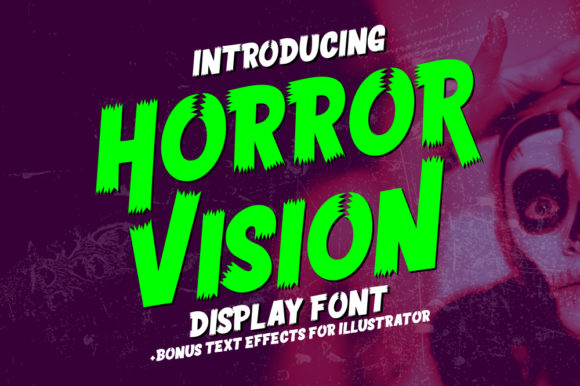
Horror Vision is a display font that stands out with its edgy, dramatic style. Designed to evoke the eerie atmosphere of horror films and dark themes, it's perfect for creative projects that demand attention. Whether you're designing a poster, crafting a logo, or creating content for a niche audience, Horror Vision can add a unique visual flair. However, using this font effectively requires understanding its strengths and limitations.
What Is Horror Vision?
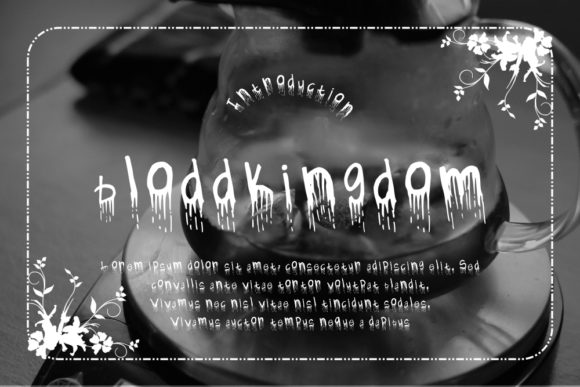
Horror Vision is a bold and unique display font that mimics the typography often seen in horror movie titles and graphic novels. Its jagged edges, thick strokes, and sinister curves give it a distinct look that immediately grabs attention. This font is ideal for headlines, logos, and any design element where impact is more important than readability.
Many designers and creators are drawn to Horror Vision because of its ability to convey mood and emotion quickly. It’s especially popular among those working on Halloween-themed projects, gothic-inspired designs, or anything that needs a touch of darkness or intensity.
Common Mistakes When Using Horror Vision
While Horror Vision can be a powerful tool, there are common mistakes that can undermine its effectiveness. Here are some key pitfalls to avoid:
- Using it for body text: Horror Vision is a display font, not a readable one. Using it for long paragraphs or body text can make your content difficult to read and unprofessional.
- Overusing it: Applying Horror Vision to every headline or title can dilute its impact. It should be used sparingly to maintain visual balance and focus.
- Ignoring color contrast: The boldness of Horror Vision can be overwhelming if not paired with the right colors. Ensure there is enough contrast between the font and background for readability.
- Not checking compatibility: Some platforms or software may not support Horror Vision properly. Always verify that the font works well across different devices and browsers.
How These Mistakes Affect Your Work
Misusing Horror Vision can lead to several issues, including poor user experience, reduced professionalism, and even confusion. For example, if you use it for body text, readers may struggle to follow your message, which can harm your credibility. Similarly, overuse can make your design look cluttered and unrefined.
Ignoring color contrast might also cause accessibility issues, making your content harder to read for people with visual impairments. In marketing or branding, these mistakes can affect how your audience perceives your brand, potentially leading to lower engagement or conversions.
Practical Advice for Using Horror Vision Correctly
To make the most of Horror Vision, consider the following tips:
- Use it for headlines only: Apply Horror Vision to main titles or headers where impact is needed. Avoid using it for subheadings or body text unless you have a specific reason.
- Limit the number of elements using the font: Stick to one or two key areas in your design where Horror Vision will have the most effect. This helps maintain visual harmony.
- Pair it with complementary fonts: Use a clean, readable font like Arial or Helvetica for body text and pair it with Horror Vision for headings. This combination ensures both aesthetics and functionality.
- Test it across devices: Before finalizing your design, check how Horror Vision looks on different screens, from mobile phones to large monitors. Make sure it remains legible and visually appealing everywhere.
What to Check Before Using Horror Vision
Before incorporating Horror Vision into your project, take a moment to evaluate the following factors:
- Font licensing: Ensure you have the right to use Horror Vision for your intended purpose. Some fonts require commercial licenses for certain uses.
- Design context: Consider whether Horror Vision aligns with the overall theme and tone of your project. It may not be suitable for all types of content or audiences.
- Accessibility standards: If your project involves public-facing content, ensure that Horror Vision doesn’t compromise readability for users with visual impairments.
- File formats: Download the font in a format compatible with your design software. Common options include TTF, OTF, and WOFF.
Realistic Examples and Better Approaches
Imagine you're designing a Halloween flyer. Instead of using Horror Vision for the entire layout, use it for the main title, such as "Spooky Night Out," while keeping the rest of the text in a simple sans-serif font. This approach highlights the spooky theme without sacrificing readability.
Another example is a website header. Rather than applying Horror Vision to every section, reserve it for the main navigation title. This keeps the design clean and professional while still conveying the desired aesthetic.
If you're unsure about using Horror Vision, try experimenting with other similar fonts first. Compare them side by side to see which one best fits your needs. This can help you make an informed decision before committing to Horror Vision.
Conclusion
Horror Vision is a bold and unique display font that can elevate your creative projects when used correctly. By avoiding common mistakes and following practical advice, you can ensure that your designs remain both visually striking and functional. Always remember to consider the context, audience, and purpose of your work before selecting any font—including Horror Vision.