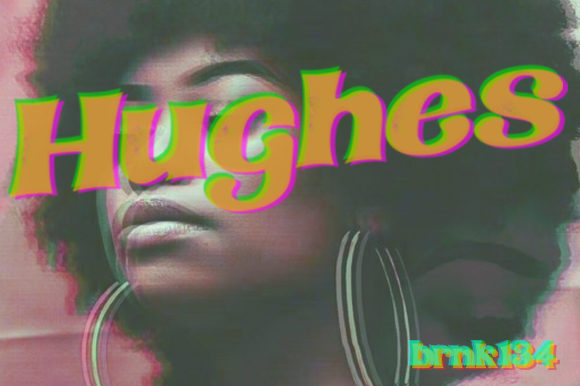
Hughes Font: A Bold, Retro Style for Modern Creativity
If you're looking for a font that stands out without shouting, Hughes might just be your new favorite. This display font brings a retro charm to modern design projects with its clean lines and bold presence. Whether you're crafting a logo, designing a poster, or creating social media graphics, Hughes offers versatility that’s hard to match.
A Closer Look at Hughes Font
Hughes is more than just a typeface—it's a statement. With its thick strokes and subtle serifs, it has a vintage feel that echoes mid-century typography. Yet, it doesn’t feel outdated; instead, it blends old-world elegance with contemporary clarity. The font has a strong visual weight, making it ideal for headlines, banners, and any text that needs to grab attention quickly.
The personality of Hughes is both confident and approachable. It carries an air of professionalism but also has a friendly, almost nostalgic vibe. This duality makes it suitable for a wide range of industries—from fashion and food to tech and travel.
Why Hughes Works So Well
The retro style of Hughes gives it a timeless appeal. Unlike overly ornate script fonts, it maintains readability even in larger sizes. Its clean, geometric shapes ensure that the text remains legible across different mediums, from print to digital screens.
- High contrast: Thick strokes and thin serifs create a dynamic look that adds depth to your designs.
- Versatile applications: From logos to packaging, Hughes adapts well to various contexts.
- Modern yet classic: Combines the best of past and present typography trends.
Where Hughes Shines in Design Projects
One of the greatest strengths of Hughes is its adaptability. Let’s explore some of the most effective ways to use this font in real-world scenarios.
Logo design: For brands that want to convey a sense of tradition and reliability, Hughes can serve as the perfect foundation. Its boldness ensures that the brand name is memorable and instantly recognizable.
Editorial design: In magazines, newsletters, or blog headers, Hughes adds a touch of sophistication. Pair it with a sans-serif font for body text to create a balanced hierarchy.
Packaging design: Product labels, gift boxes, and promotional materials benefit from the eye-catching nature of Hughes. It works especially well on minimalist designs where the font itself becomes the focal point.
Social media graphics: When creating posts for Instagram, Facebook, or Pinterest, using Hughes can help your content stand out in a crowded feed. Its retro aesthetic aligns well with current design trends that celebrate nostalgia.
Font Pairing Tips for Hughes
To make the most of Hughes, consider how it interacts with other fonts. A good rule of thumb is to pair it with a complementary font that provides contrast in texture and weight.
- Sans-serif fonts: Fonts like Helvetica or Arial work well for body text, offering a modern counterpoint to the retro feel of Hughes.
- Script fonts: For a more artistic look, try pairing Hughes with a cursive or handwritten font on accents or subheadings.
- Monospace fonts: These can add a unique, typewriter-like quality when used for captions or sidebars.
Always test your font combinations on different screen sizes and print formats to ensure they remain readable and visually appealing.
Choosing Hughes: Practical Guidance
Selecting the right font for your project involves more than just aesthetics. Consider the following factors when deciding whether Hughes is the best fit.
Readability: While Hughes is great for headlines, it may not be the best choice for long blocks of text. Use it sparingly and always ensure that your content remains easy to read.
Brand consistency: If your brand already has a defined visual identity, check if Hughes aligns with your existing color schemes, logos, and overall tone.
Licensing: Before using Hughes commercially, review the licensing agreement to understand what rights you have. Some premium fonts require separate licenses for web use or large-scale printing.
Testing: Always test your font in different environments—on mobile devices, desktop browsers, and printed materials—to ensure it looks good everywhere.
Real-World Examples of Hughes in Action
Take a look at these examples to see how Hughes can elevate your design work:
- A boutique clothing store uses Hughes for its storefront sign and website header, giving it a stylish yet trustworthy appearance.
- A coffee shop incorporates Hughes into its branding, from menu boards to takeaway cups, reinforcing a warm and inviting atmosphere.
- An independent publisher uses Hughes for book covers, adding a retro flair that appeals to readers who appreciate vintage aesthetics.
These examples show how versatile Hughes can be when applied thoughtfully and strategically.
In summary, Hughes is a powerful tool in any designer’s toolkit. Its retro style, bold character, and wide range of applications make it a valuable asset for creative professionals and small business owners alike. Whether you're working on a personal project or a commercial campaign, consider how Hughes can enhance your message and strengthen your brand’s visual identity.