Jackrabbit Font: A Bold Choice for Creative Projects
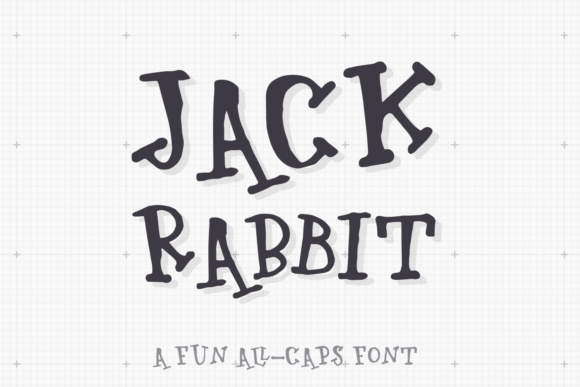
Jackrabbit is a fun, all-caps display font that brings energy and character to any design. Whether you're working on branding, headings, wedding designs, or logos, this font can elevate your project with its dynamic style. Its unique letterforms make it a standout choice for those looking to add personality and visual interest.
What Makes Jackrabbit Unique?
Jackrabbit stands out due to its bold, uppercase letters that exude confidence and playfulness. Each letter is crafted with attention to detail, ensuring that the font remains legible even at larger sizes. This makes it ideal for headlines, titles, and other prominent text elements.
The font's versatility allows it to be used in various contexts, from digital media to print. Its clean lines and modern aesthetic make it suitable for both contemporary and traditional designs. The contrast between thick and thin strokes gives it a distinctive look that can catch the eye without overwhelming the viewer.
Creative Possibilities with Jackrabbit
With Jackrabbit, the creative possibilities are endless. Here are some ways to use this font effectively:
- Branding: Use Jackrabbit for logos, taglines, or brand names to create a memorable and impactful identity.
- Wedding Designs: Incorporate Jackrabbit into invitations, programs, or signage for a fun and stylish touch.
- Headings and Titles: Apply Jackrabbit to website headers, blog posts, or magazine articles for a strong visual impact.
- Signatures and Labels: Add a personal flair to signatures, product labels, or packaging with this eye-catching font.
These applications demonstrate how Jackrabbit can be adapted to suit different needs while maintaining its core appeal. It's not just about using the font; it's about using it wisely to enhance the overall message and aesthetics of your project.
How to Adapt Jackrabbit for Different Goals
Depending on your goals and audience, you can adapt Jackrabbit in various ways. For instance, if you're targeting a younger demographic, you might pair it with more casual and vibrant colors. On the other hand, for a professional setting, consider using a more subdued palette to maintain a balance between creativity and professionalism.
When designing for print, ensure that the font size is appropriate for readability. For digital use, test the font across different devices and screen sizes to guarantee consistent performance. Also, think about the context in which the font will be used—whether it's a formal document or a playful social media post.
Practical Tips for Using Jackrabbit
To get the best results from Jackrabbit, follow these practical tips:
- Use as a headline font: Jackrabbit works well as a primary heading font, making it easy to draw attention to key messages.
- Pair with complementary fonts: Combine Jackrabbit with a sans-serif or serif font for body text to create a balanced and visually appealing layout.
- Experiment with spacing: Adjust letter and line spacing to ensure that the text is readable and aesthetically pleasing.
- Consider color contrast: Choose colors that provide good contrast against the background to enhance readability.
These strategies help ensure that Jackrabbit is used effectively, creating a cohesive and professional look across all design projects.
Inspiration and Ideas for Your Next Project
If you're looking for inspiration, here are a few ideas to spark your creativity:
- Create a bold logo using Jackrabbit for a new business or brand.
- Design eye-catching social media graphics with Jackrabbit as the main text element.
- Use Jackrabbit in a wedding invitation to add a playful yet elegant touch.
- Develop a unique signature style using this font for personal or professional branding.
These examples show how Jackrabbit can be integrated into various design scenarios. The key is to experiment and find the right combination that reflects your brand's personality and message.
Whether you're a designer, marketer, or hobbyist, Jackrabbit offers a versatile and exciting option for enhancing your creative work. By understanding its strengths and limitations, you can use it effectively to achieve your design goals and leave a lasting impression on your audience.