Moody Bunny: A Bold and Friendly Display Font
Moody Bunny is a display font that brings a fresh, approachable energy to any design. Its natural and unique style makes it incredibly versatile, fitting into a wide range of creative projects with ease. Whether you're designing a logo, crafting social media graphics, or working on editorial layouts, Moody Bunny adds a touch of personality without overwhelming the message.
The Visual Personality of Moody Bunny
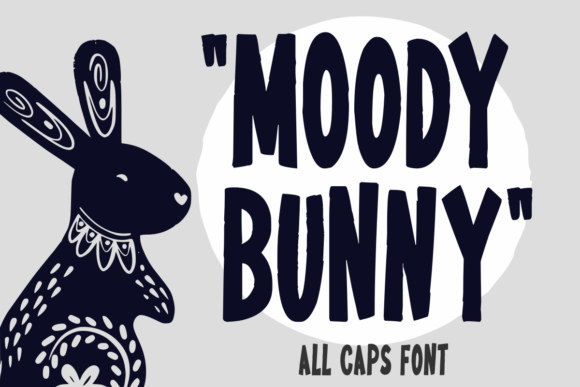
At first glance, Moody Bunny stands out for its bold yet friendly appearance. The letterforms have a slightly irregular, hand-drawn quality that gives them a sense of warmth and authenticity. This isn't a perfectly symmetrical typeface—it has subtle imperfections that make it feel more human and less robotic. The curves are gentle, and the lines are clean but not too rigid, striking a balance between modern typography and a more organic feel.
What makes Moody Bunny particularly appealing is its ability to convey both confidence and approachability. It’s not overly playful like some script fonts, nor is it too formal like traditional serif or sans-serif fonts. Instead, it finds a sweet spot that works well for branding, marketing, and personal projects alike.
Where Moody Bunny Works Best
Moody Bunny shines in situations where a strong visual impact is needed without sacrificing readability. Here are a few areas where this font truly excels:
- Logo Design: Moody Bunny's distinctive character makes it ideal for logos that need to stand out while still feeling friendly and trustworthy.
- Social Media Graphics: With its bold presence, Moody Bunny can be used for headlines, callouts, or captions that grab attention quickly.
- Editorial Design: In magazine spreads, blog headers, or website banners, Moody Bunny adds a touch of personality that elevates the overall look.
- Packaging Design: For product packaging, especially in niches like lifestyle or wellness, Moody Bunny brings a sense of authenticity and charm.
- Web Design: As a display font, it works well for headings, buttons, or hero sections that require a bit of flair without compromising usability.
Its versatility extends to both digital and print formats, making it a valuable asset for designers who work across multiple mediums.
How Moody Bunny Influences Design and Brand Perception
The choice of font can significantly affect how a brand is perceived. Moody Bunny, with its bold yet friendly nature, helps create a brand identity that feels confident but not intimidating. It’s the kind of font that invites interaction—whether it's a customer reading a tagline or a reader engaging with a blog post.
When used effectively, Moody Bunny enhances visual hierarchy by drawing attention to key messages. Its unique style ensures that important text stands out, helping guide the viewer’s eye through a design in a natural way. This is especially useful in marketing materials where clarity and engagement are crucial.
Another benefit of using Moody Bunny is that it contributes to brand consistency. When paired with complementary fonts, it can help maintain a cohesive look across different platforms and materials. This consistency builds recognition and reinforces brand identity over time.
Choosing and Using Moody Bunny Effectively
Selecting the right font for your project involves more than just picking something that looks good. Consider the following when evaluating whether Moody Bunny is the best fit:
- Project Purpose: Does the tone of your project align with the personality of Moody Bunny? If you're aiming for something more professional or technical, you may want to pair it with a more neutral font.
- Font Pairings: Moody Bunny works well with clean, modern sans-serif fonts for contrast. Experiment with different combinations to find what feels most balanced for your design.
- Readability: While Moody Bunny is a display font, it's important to ensure that it remains legible at various sizes. Avoid using it for long blocks of text unless it's appropriately scaled and spaced.
- Licensing: If you plan to use Moody Bunny in a commercial context, make sure to review the licensing terms carefully. Many premium fonts require specific permissions for certain uses.
Testing Moody Bunny in real-world scenarios can also provide insight into how it performs under different conditions. Try applying it to mockups of your project to see how it interacts with other elements like images, colors, and spacing.
Ultimately, Moody Bunny is a font that encourages creativity and experimentation. Its natural, unique style offers endless possibilities for those willing to explore its potential. Whether you're a designer, marketer, or small business owner, Moody Bunny can be a powerful tool in your creative arsenal.